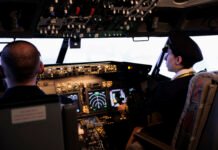
Carriers on the global scale are investing huge sums of money in the maintenance of their aircraft and staff training, and the motive behind it is much more than just the normal processes. Due to the increase in demand for air travel around the world and increasing fleet sizes, airlines are experiencing an ever-growing pressure to ensure efficiency, downtime reduction, and more complex aircraft systems are managed. This has moved maintenance and training to the core of aviation long term strategies.
Expanding fleets, Increasing Maintenance Requirements
Aircraft manufacturers and industry organizations indicate that thousands of additional airplanes will be inducted by airlines in the coming twenty years, according to the global aviation forecasts. With every new generation of aircraft come new hi-tech avionics, digital technology and new generation engines that demand a level of expertise. Since the fleets are becoming larger and technologically advanced, airlines should make sure that they are capable of keeping pace with the emerging maintenance trends.
According to industry reports, the aircraft maintenance, repair and overhaul (MRO) market across the world is expected to continue growing by the year with an ever increasing outlook due to the increased aircraft utilisation and service life. This expansion justifies the reason why airlines are spending billions of dollars on the renovation of hangars, equipment, computer diagnostics, and Aircraft Maintenance Engineers.
Training: It is a Strategic Investment, not a Cost
Having on-hands training is one of the major areas of concern for airlines in the present days. The current aircraft are places of needs of engineers not solely of skilled hands, but also competence in digital systems, predictive maintenance systems, and compliance with regulations. This has caused airlines to continue to engage in collaboration with training institutions and to invest within their organizations in order to create a workforce that is ready to operate in the future.
It is at this point that formal training in Aircraft Maintenance Engineering is significantly important. Airlines are willing to hire professionals who have a good background knowledge and workplace experience that minimizes the difference between the classroom and actual operation. Trained engineers assist the airlines in reducing the operational interruptions, enhancing availability of the aircrafts, and better control of costs.
A Career in line with Industry Investment
The demand of trained maintenance professionals is even greater in the aviation markets that are rapidly expanding in the nation. As domestic flights increase and new aircraft are brought into the fleet on a regular basis, airlines are in need of a consistent flow of qualified engineers to assist them in the operations of various cities and regions. To students, spending a hefty amount by the airlines shows that there is a long-term career stability and growth in the Aeronautical sector. Aircraft Maintenance engineering is one of the most technologically oriented careers in the aviation industry, as with the growing expenses of maintenance budgets come the number of professionals. The selection of appropriate educational backgrounds is also important. The College of Aeronautical Engineering provides courses that are industry-oriented, and thus the students develop their careers in a field where the airlines are still in a scarcity when it comes to maintenance excellence and qualified talent.